Nigeria’s Economy – a flyer with a front and a back side
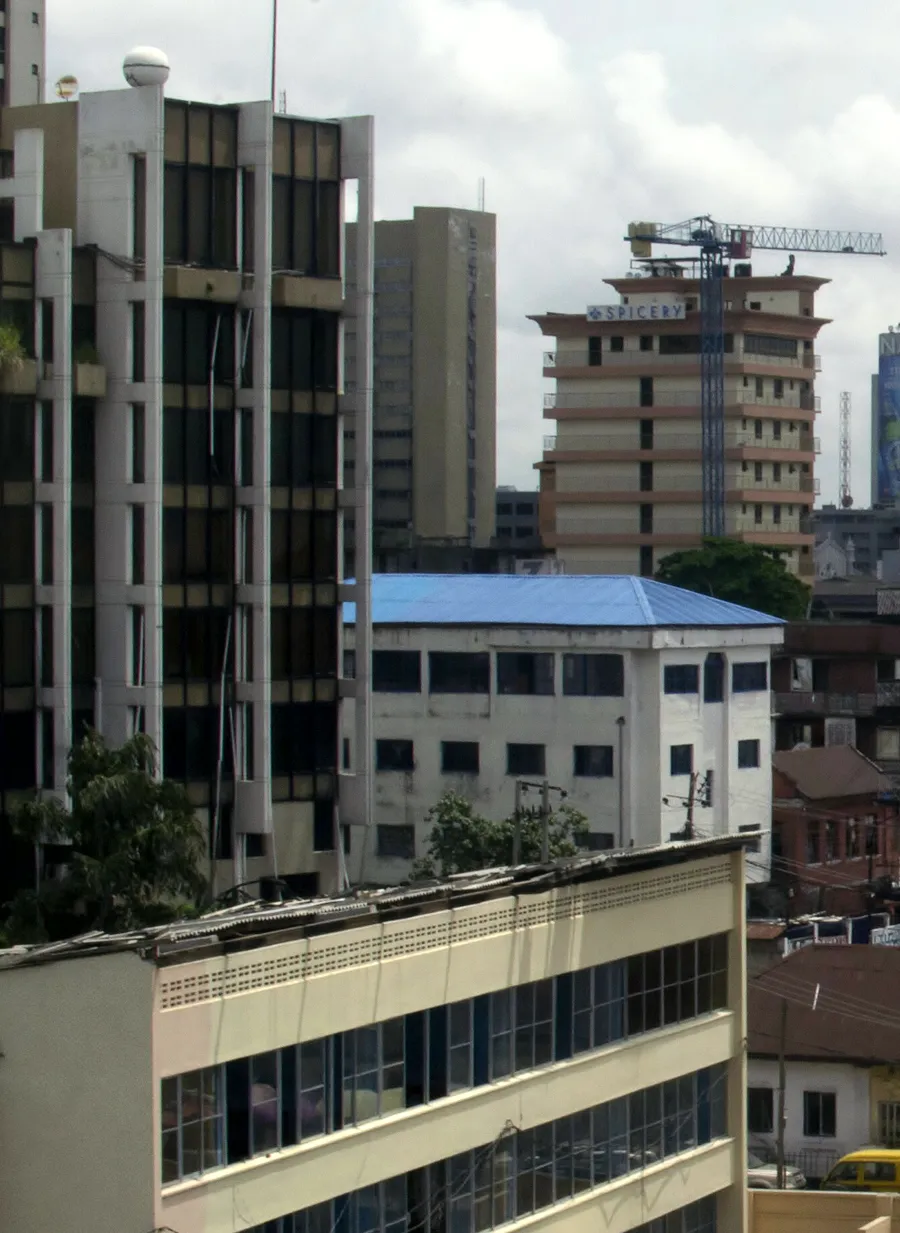
NIGERIA’S ECONOMY
Rich in Oil – But Is That Enough?
123 million
people in Nigeria lived in extreme poverty in 2025 – that is more than half of the population.1
English LK Q2 · Lejs, Sami & Leo · 6 November 2026
Nigeria at a Glance
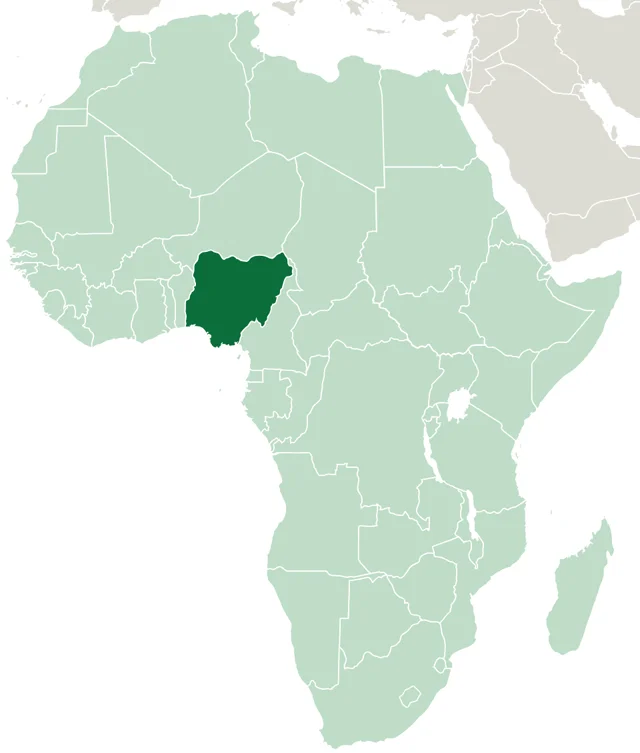
- Location
- West Africa, on the Gulf of Guinea3
- Capital
- Abuja (since 1991), more than 4 million inhabitants3
- Area
- about 924,000 km²3
- Languages
- English (official), plus Hausa, Yoruba, Igbo, Ijaw and many others3
- Currency
- naira3
- Political system
- federation of 36 states and the Federal Capital Territory; President Bola Ahmed Tinubu in office since May 20231
- Natural resources
- petroleum, natural gas, tin, iron ore, coal, limestone, niobium, lead, zinc and arable land3
Nigeria is the regional heavyweight of West Africa: it produces roughly 70 percent of the economic output of the 15 ECOWAS countries and is home to more than half of the region’s population.2
How Nigeria Earns Its Money
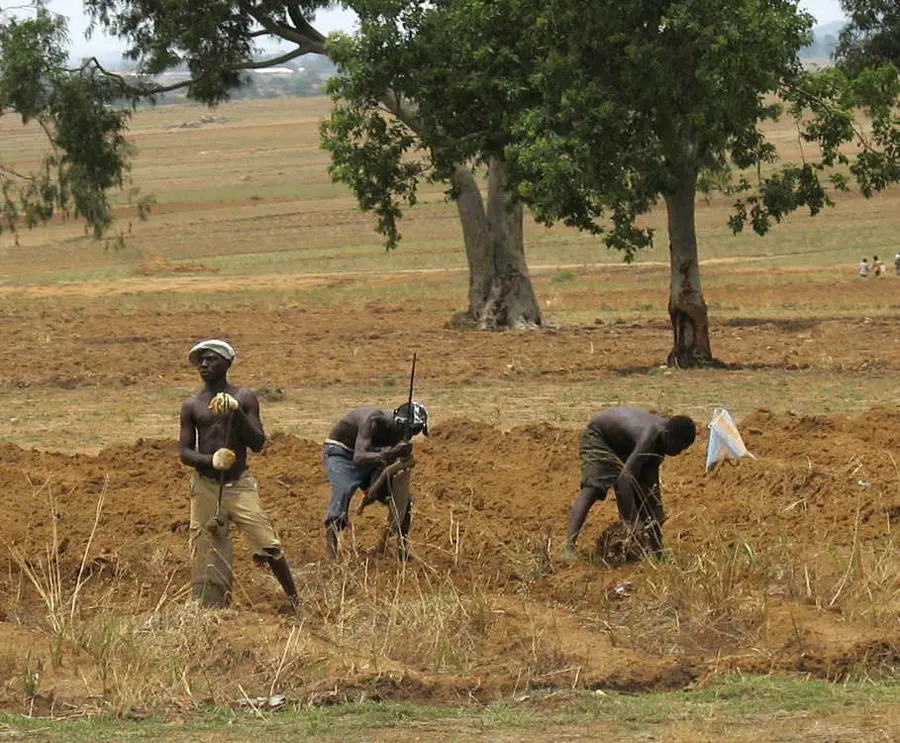
When people hear “Nigeria”, many think of oil first – but the economy is much broader. Agriculture employs nearly 70 percent of the population and produces about a quarter of GDP. Most of it is subsistence farming with manual labour rather than machines.2
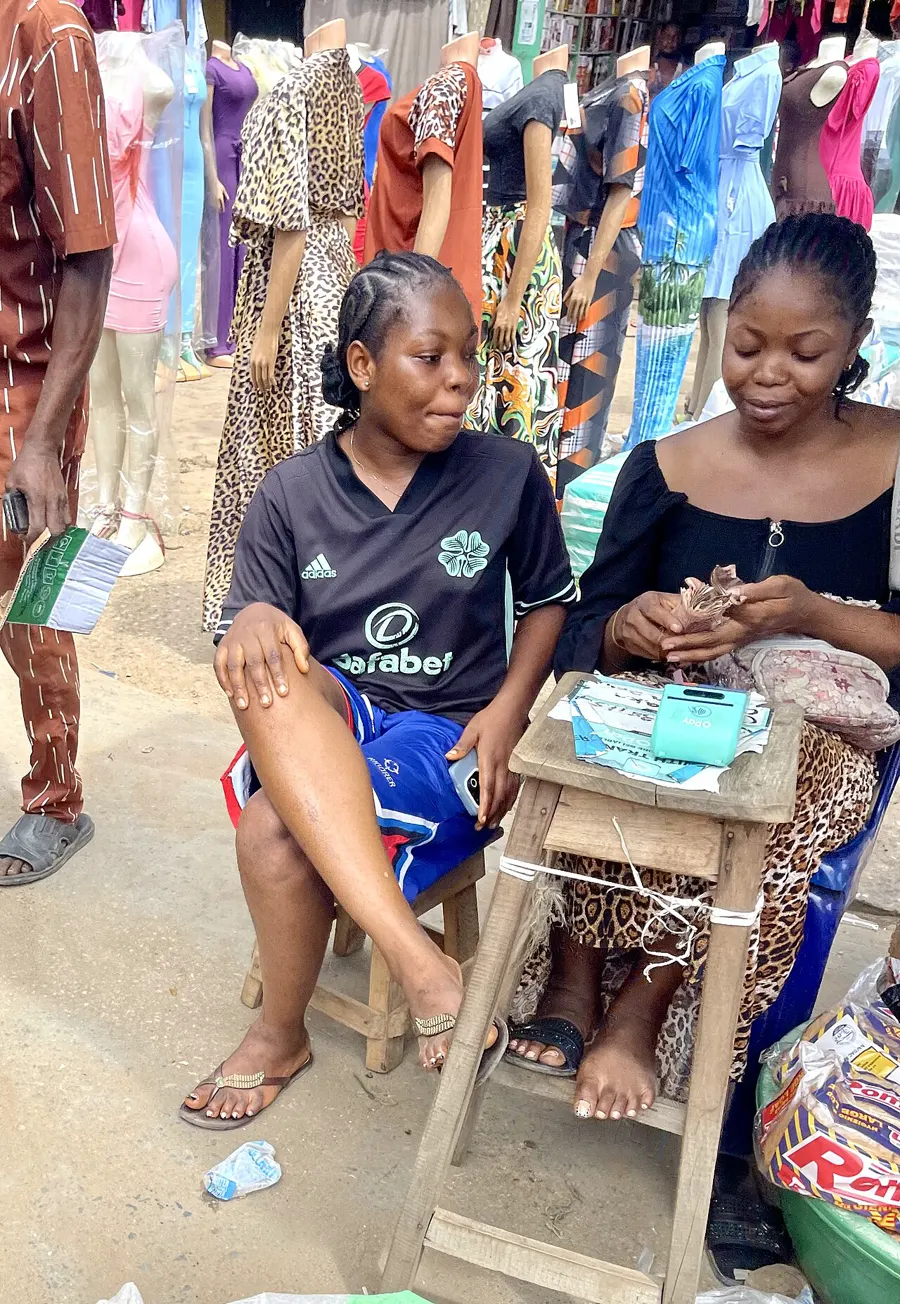
The fastest-growing sector is the digital economy: in the second quarter of 2024 it made up almost 20 percent of GDP – nearly four times as much as oil. Nigeria is also a hub for tech start-ups, for example in fintech.2
The big obstacle: infrastructure. Power plants could produce about 12,900 megawatts, but only around 4,500 are actually available – while the country would need about 40,000. Only about 20 percent of Nigeria’s 50,000 kilometres of roads are paved.2
- 4,500 MW electricity actually available
- 40,000 MW electricity needed
- 20 % of roads are paved2
Oil: Blessing or Curse?
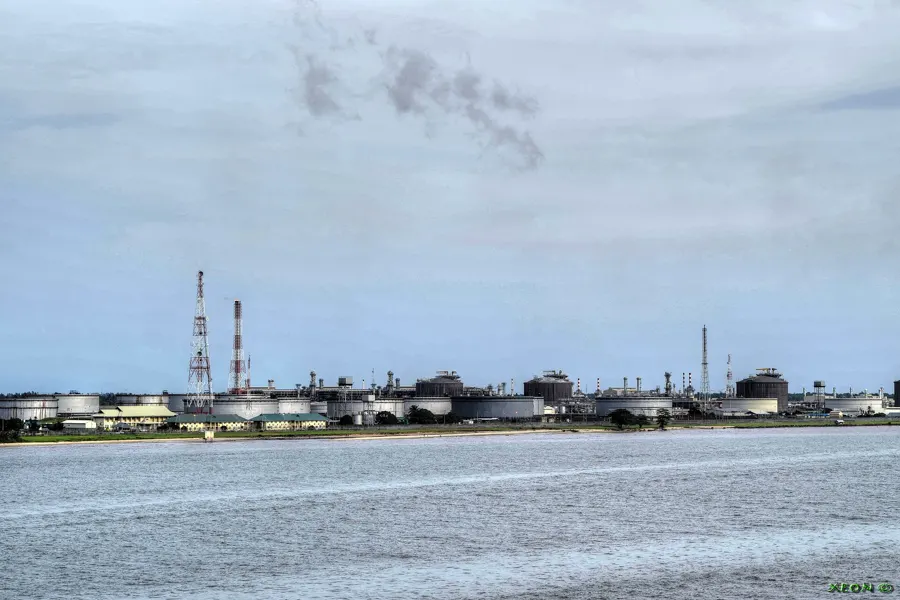
Nigeria joined OPEC in 1971 and is one of Africa’s leading oil producers.2,3 Although oil only accounts for around six percent of GDP, it still provides about 29 percent of all government revenue. Whenever oil prices or production drop, the state budget suffers immediately.2
- about 6 % of GDP comes from oil
- 29 % of government revenue comes from oil2
There is also a strange paradox: Nigeria exports crude oil, but it has to import a large share of its refined fuel, as well as many finished goods and processed food. Until 2023, the government kept petrol cheap with a costly fuel subsidy.2
In addition, oil companies have to deal with security problems, pipeline vandalism and other crimes, difficult relations with local host communities and environmental concerns.2
Think about it: Why does a country that exports crude oil have to import petrol?
Reforms and Their Price
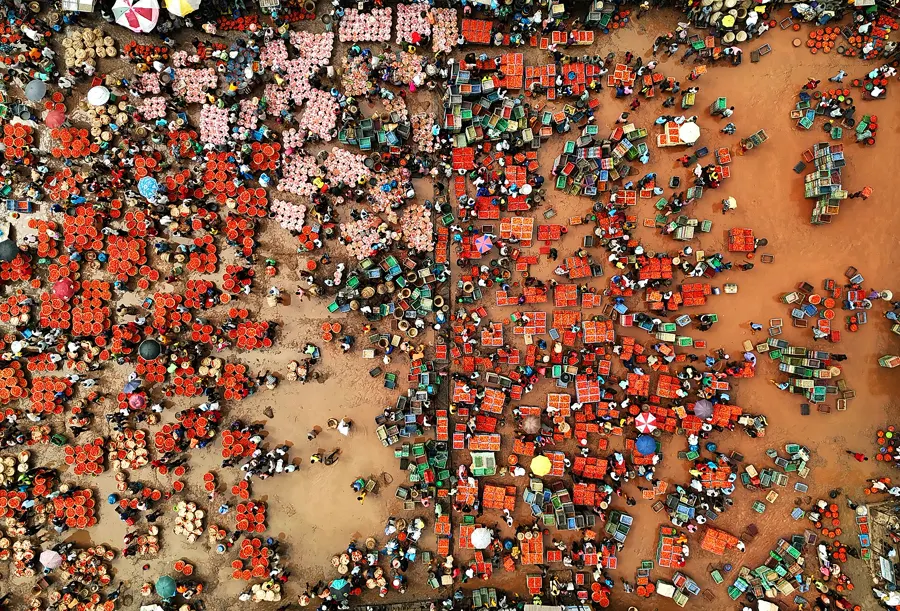
After taking office in 2023, President Tinubu let the naira float freely against the US dollar and scrapped the costly fuel subsidy. International economists welcomed both steps, but ordinary Nigerians felt the consequences at once.2
- Exchange rate
4001,700naira per US dollar (November 2024)2 - Petrol
1981,100naira per litre (October 2024)2 - Food32.7 %core food inflation (September 2024)2
Because imports became much more expensive, several international companies, for example Procter & Gamble, Unilever and GSK, stopped producing in Nigeria or left the market.2
The social impact is severe: in 2025, about 50.8 percent of Nigerians lived in extreme poverty. Poor households spend up to 70 percent of their income on food, and around 3.5 million people enter the labour market every year – there are not nearly enough jobs for them.1
First signs of recovery1
- Inflation fell from 27.4 % (March 2025) to 15.1 % (February 2026).
- The economy grew by 4.2 % in the first half of 2026, driven mainly by services and agriculture.
- Foreign currency reserves rose to 51.9 billion US dollars (end of July 2026).
- But: growth is still too weak to create enough jobs or to reduce poverty noticeably.
Who Is Working on It?
-
The World Bank
supports Nigeria with projects worth more than 16.4 billion US dollars; its plan for 2026–2032 focuses on “creating more and better private sector jobs”.1
-
National Social Safety Net Program (NASSP-SU)
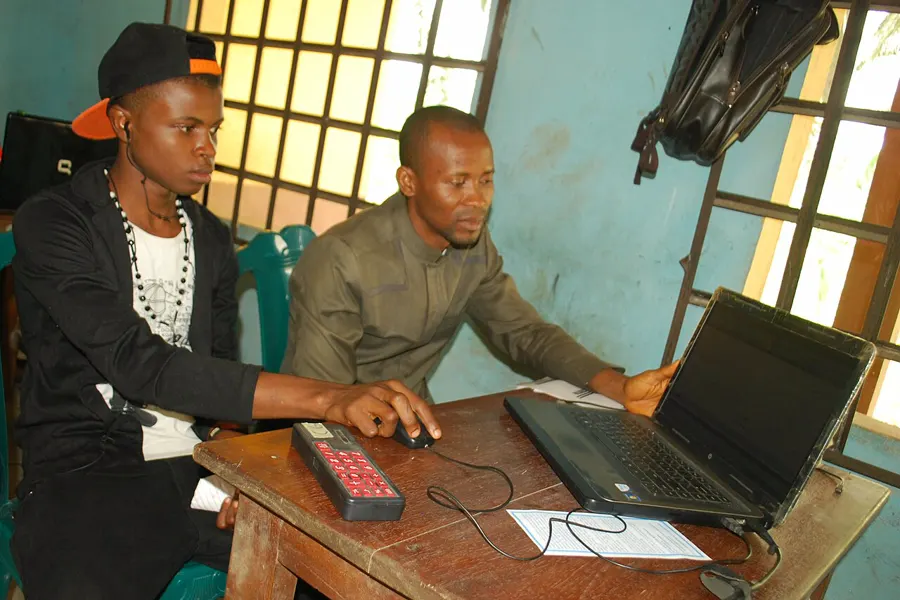
pays digital cash transfers to poor and vulnerable people: more than 42 million have been paid, and 94 percent of the regular recipients are women.1
-
Nigeria for Women Program (NFWP)
has reached more than one million women in six states. They save money together in over 22,000 groups and receive skills training and small grants.1
-
Electricity for everyone:
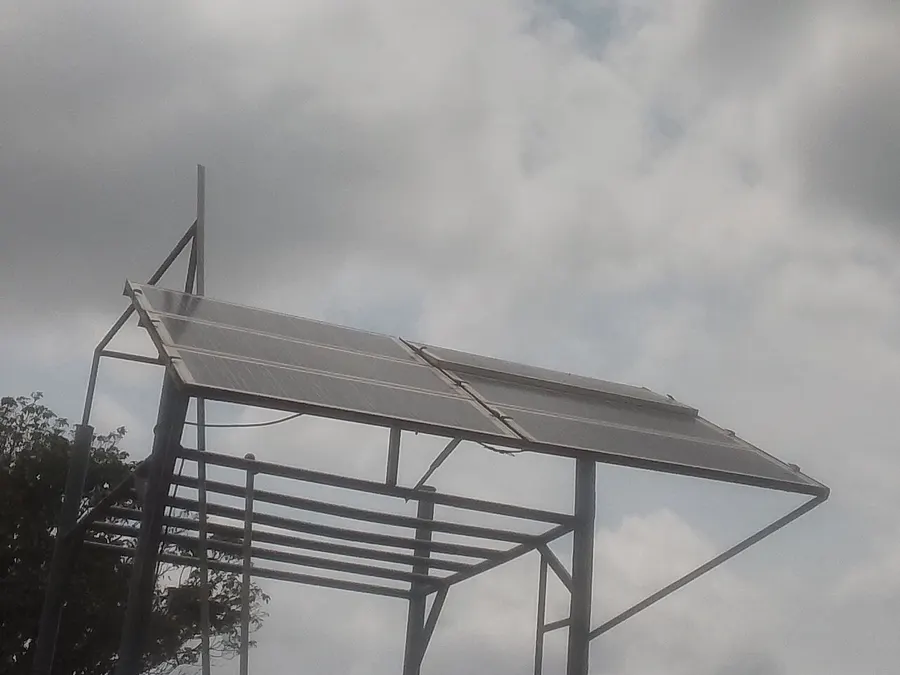
access is to rise from 45 to 90 percent by 2030, and 30 percent of the planned capacity is to come from solar, wind and biomass.2
-
African Continental Free Trade Agreement (AfCFTA)
– signed by Nigeria in 2019 to boost trade between African countries, but putting it into practice has been slow so far.2
What’s Next?
- 4.4 % growth per year expected by the World Bank, 2026–2028
- 12 % expected inflation by 20281
Whether ordinary Nigerians benefit from this depends on private investment, reliable electricity and roads, better education and new jobs outside the oil sector.1,2 The government is focusing on the digital economy and on training its fast-growing young population.2
Can Nigeria turn its young people into its greatest resource – greater than oil?
Did You Know?
Between 2023 and October 2024, the price of a litre of petrol rose more than fivefold.2
In the second quarter of 2024, Nigeria’s digital economy contributed almost four times as much to GDP as oil.2
Every year, about 3.5 million Nigerians start looking for a job.1
Poor families in Nigeria spend up to 70 % of their income on food.1
Test Yourself!
How much do you remember? Answer 9 questions about Nigeria’s economy.
Question 1 of 9
You got 0 out of 9 right!
Take the quiz online: …/#quiz
Sources
- World Bank Group (2026): Nigeria – Overview (sections “About”, “Economy”, “Development” and “Country Partnership”). Last updated 11 October 2026.
Online: https://www.worldbank.org/ext/en/country/nigeria (accessed 6 November 2026) - International Trade Administration, U.S. Department of Commerce (2025): Nigeria – Market Overview. Nigeria Country Commercial Guide. Last published 5 September 2025.
Online: https://www.trade.gov/country-commercial-guides/nigeria-market-overview (accessed 6 November 2026) - Organization of the Petroleum Exporting Countries (OPEC) (n.d.): Nigeria – Facts and Figures. Member Countries.
Online: https://www.opec.org/nigeria.html (accessed 6 November 2026)
Image credits: all photos from Wikimedia Commons – Lagos skyline: Jamie Tubers, CC BY-SA 4.0 (cropped) · map: Alvaro1984 18, public domain (recoloured, cropped) · farmers: Mike Blyth, CC BY 2.5 · POS agent: Confidence24, CC BY-SA 4.0 · oil terminal: ---=XEON=---, CC BY 3.0 · tomato market: Ayorinde Ogundele, CC BY-SA 4.0 · solar panels: NigerianScribe, CC0 · laptop: IBORO, CC BY-SA 4.0.